Reliable Home Builder: Building Your Ideal Living Space With Quality and Dedication
Choosing a reputable home builder is a significant step toward bringing to life one’s dream home. Their proficiency directs the project, assuring quality construction and adherence to local codes. A dependable builder builds a united environment, promoting communication and awareness of client needs. This method decreases stress and improves the building experience. Yet, many overlook key factors when selecting. What important qualities should one evaluate, and how can they secure a successful partnership?
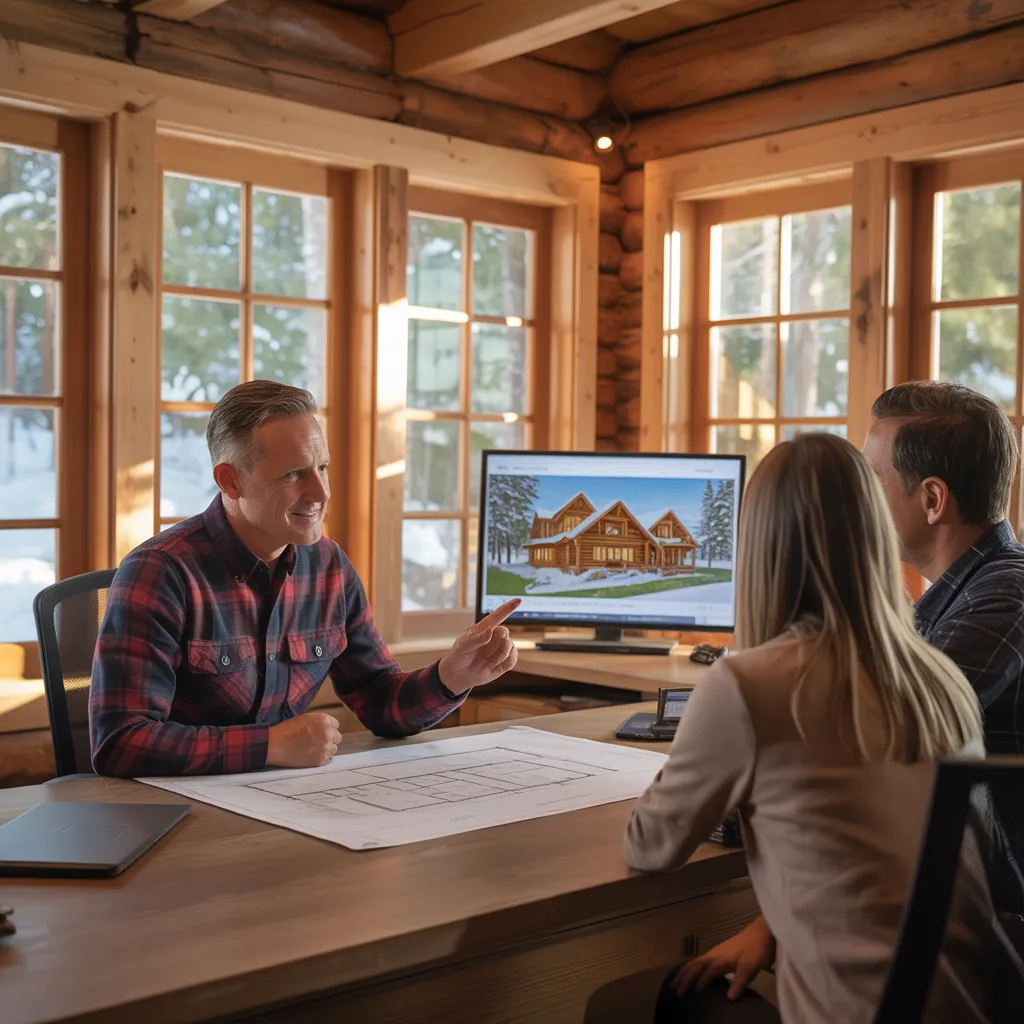
Why Opting for the Ideal Home Builder Is Paramount
Selecting the appropriate home contractor can considerably affect the overall outcome of a desired home project. A contractor's proficiency substantially influences the caliber, layout, and usability of the final result. Opting for a skilled builder ensures compliance to local regulations, efficient use of materials, and on-schedule project completion. Furthermore, a reputable builder can manage potential obstacles, reducing stress for homeowners.
The builder's expertise in the particular form or nature of property preferred can enhance the project's aesthetic appeal and structural integrity. Moreover, strong communication between the builder and the homeowner nurtures collaboration, guaranteeing that the homeowner's expectations is achieved. An established builder frequently has a network of trusted subcontractors and suppliers, which can also streamline the construction process.
Ultimately, the ideal home builder not only offers proficiency but also a promise to client contentment, making the choosing process a essential step in converting a ideal home into actuality.
Key Attributes of a Reputable Housing Developer
When selecting a home builder, specific attributes are crucial to ensure a successful partnership. Established track record, transparent communication, and a commitment to quality craftsmanship stand out as key attributes of a trusted builder. These attributes not only build trust but also contribute to the achievement of a homeowner's vision.
Established Experience Matters Most
Demonstrated experience acts as a cornerstone in the choice of a reputable home builder. This quality not only reflects a builder's ability to handle the complexities of construction but also shows a record of completed projects. Seasoned builders have typically encountered a broad range of obstacles and have the troubleshooting skills required to address them successfully. Their familiarity with local codes and construction standards guarantees adherence, minimizing potential setbacks and legal issues. In addition, an well-established builder often has a web of dependable contractors and suppliers, which can lead to better quality materials and workmanship. Ultimately, choosing a builder with demonstrated expertise greatly enhances the likelihood of a seamless, efficient, and positive home-building journey.
Straightforward Interaction Practices
Effective interaction acts as a core groundwork in the partnership between property owners and builders. Trusted home builders prioritize transparent dialogue practices, guaranteeing that clients are thoroughly informed throughout the construction process. This involves frequent notifications on project timelines, budget modifications, and any potential challenges that may arise. By maintaining transparent lines of dialogue, contractors foster confidence and collaboration, permitting homeowners to voice worries and ask inquiries freely. Clear documentation, including contracts and progress reports, further enhances openness, guaranteeing that all stakeholders have a shared understanding of expectations. Moreover, feedback mechanisms allow builders to address property owner needs quickly, strengthening their commitment to client satisfaction. Finally, open dialogue serves as a essential component in providing a effective home-building process.
Premium Craftsmanship Assurance
Creating a ideal home requires both clear communication and a commitment to superior workmanship. A trusted home builder emphasizes careful detail management, guaranteeing every part of construction meets high standards. This involves using premium materials, employing skilled labor, and adhering to industry standards in design and engineering. Consistent quality checks during the building process help maintain these standards by identifying and correcting problems early. Furthermore, a reputable builder promotes a culture of accountability, encouraging their team to take pride in their work. By building strong partnerships with subcontractors and suppliers, they guarantee consistency and reliability. Ultimately, this commitment to quality craftsmanship not only improves the home’s aesthetic but also guarantees its longevity and durability.
Analyzing a Trustworthy Home Builder's Expertise
What methods can one use to evaluate a home builder's trustworthiness and competence? Assessing a builder's experience is vital for guaranteeing a successful project. Future homeowners should begin by examining the builder's portfolio, which displays previous projects and demonstrates their quality and approach. In addition, considerable experience in the industry can indicate a builder's stability and knowledge of best practices.
Feedback and testimonials from past clients provide perspective into the builder's reliability and client relations. It is also wise to inquire about any awards or recognitions, as these can demonstrate a pledge to quality work. Engaging in open conversations with the builder can show their strategy to problem-solving and communication. Finally, verifying licenses and insurance assures that the builder follows local regulations and industry standards. Overall, comprehensive research and thoughtful inquiries are vital to assessing a trusted home builder's experience effectively.
What Will Happen During the Building Process?
As homeowners begin the process of constructing their dream home, they can expect a sequence of phases that will develop throughout the construction timeline. First, site preparation takes place, including property clearing and groundwork. After this, the base is installed, creating a strong foundation for the building.
After the foundation is complete, framing starts, marking the home’s layout. This is then followed by vital installations, like plumbing and electrical systems, ensuring that everything works. Then, insulation and drywall are put in place, building the home’s interior structure.
Following that, homeowners can expect the placement of windows, doors, and roofing, creating a more defined exterior. The finishing details, consisting of flooring, cabinetry, and painting, indicate the final stage. Throughout the process, reviews may happen to verify compliance with building codes and standards, ultimately guiding homeowners closer to achieving their dream home efficiently and effectively.
The Impact of Open Communication With Your Builder
Strong communication with the builder functions as an critical role in the home construction journey. Clear interaction ensures that both parties understand expectations, timelines, and project details. Regular updates from the builder keep homeowners knowledgeable about progress, potential delays, and any necessary adjustments. This forthrightness fosters trust, allowing homeowners to voice concerns or questions promptly.
Listening proves equally important; craftspeople who earnestly work with end-users can better grasp their visions and preferences. Transparent discussion also facilitates problem-solving, as issues can be addressed swiftly before spiraling into substantial challenges.
In addition, documenting conversations and choices helps in maintaining a clear account that can be consulted during the building phase. In the final analysis, strong communication develops a collaborative setting, enabling both builders and homeowners to work together harmoniously toward the shared goal of building a ideal house. Stressing this aspect of partnership is important for a rewarding building project.
Teaming Up for Achievement With Your Home Builder
Effective cooperation with a home builder relies on preserving clear dialogue and synchronizing objectives. Open conversation promotes trust and confirms that both parties are on the same page throughout the building process. This collective understanding is vital for turning visions into fact.
Create Dialogue Pathways
Creating transparent dialogue pathways is essential for a successful collaboration between homeowners and builders. This openness fosters trust, allowing both parties to exchange thoughts, worries, and input successfully. Consistent communication and meetings help to ensure that the project remains progressing smoothly and that any possible problems are addressed promptly. Homeowners should feel at ease expressing their desires, while builders can offer guidance on practicality and schedules. Utilizing various communication tools, such as emails, phone calls, or project management software, can streamline interactions and keep everyone informed. Ultimately, a dedication to transparent communication not only improves the construction experience but also fortifies the connection between homeowners and builders, paving the way for a more satisfying and successful home-building experience.
Shared Vision Alignment
A robust partnership between homeowners and builders is built on a mutual vision that unifies both parties' goals and expectations. This harmony fosters a cooperative environment where ideas can be easily discussed, ensuring that the end product truly reflects the homeowner's desires. Builders who prioritize understanding their clients' aspirations are better equipped to offer personalized solutions, enhancing satisfaction and minimizing misunderstandings. Regular check-ins and feedback sessions can further solidify this alignment, allowing for adjustments as the project evolves. When both parties are committed to a unified vision, the result is not just a house, but a dream home crafted with thoughtfulness and superiority. This synergy ultimately leads to effective project completion and strong relationships.
Commonly Requested Information
What Capital Options Are Available for Building a New Home?
Multiple financing options for building a new home include construction loans, traditional mortgages, FHA loans, and VA loans. Each option delivers distinct advantages, catering to different financial situations and project requirements for prospective find the information homeowners.
How much time Does a Entire Home Construction Process Generally Take?
The complete home building procedure typically takes six to twelve months, depending on factors such as architectural intricacy, weather conditions, and local regulations. Setbacks may arise from supply chain issues or regulatory obstacles throughout construction.
Is It Feasible to Adjust Changes During the Construction Phase?
Yes, adjustments can be made during the construction phase, but they may impact timelines and budgets. Residents should communicate any modifications promptly to assure efficient adjustments while minimizing disruptions to the current work.
What Warranties Will Home Builders Usually Offer?
Home builders customarily offer warranties dealing with structural integrity, workmanship, and major systems like plumbing and electrical. The specific terms change, but most supply a minimum one-year warranty on materials and an extended term for structural components.
What's the Best Way to Decide On a Appropriate Neighborhood for My New Home?
Picking the right spot for a new home involves weighing factors like proximity to work, schools, amenities, safety, and future development. Examining neighborhoods and assessing personal lifestyle needs are vital steps in the decision-making process.